
The Lunch Lady
Carnitas tacos
Pork shoulder cooked with orange, lime and warm spices, then crisped in a hot pan. Pile it into warm tortillas with cotija, crema and another squeeze of lime.
Published · Updated
- Servings
- 6
- Total time
- About 4 1/2 to 6 hours; optional overnight seasoning or chilling is extra
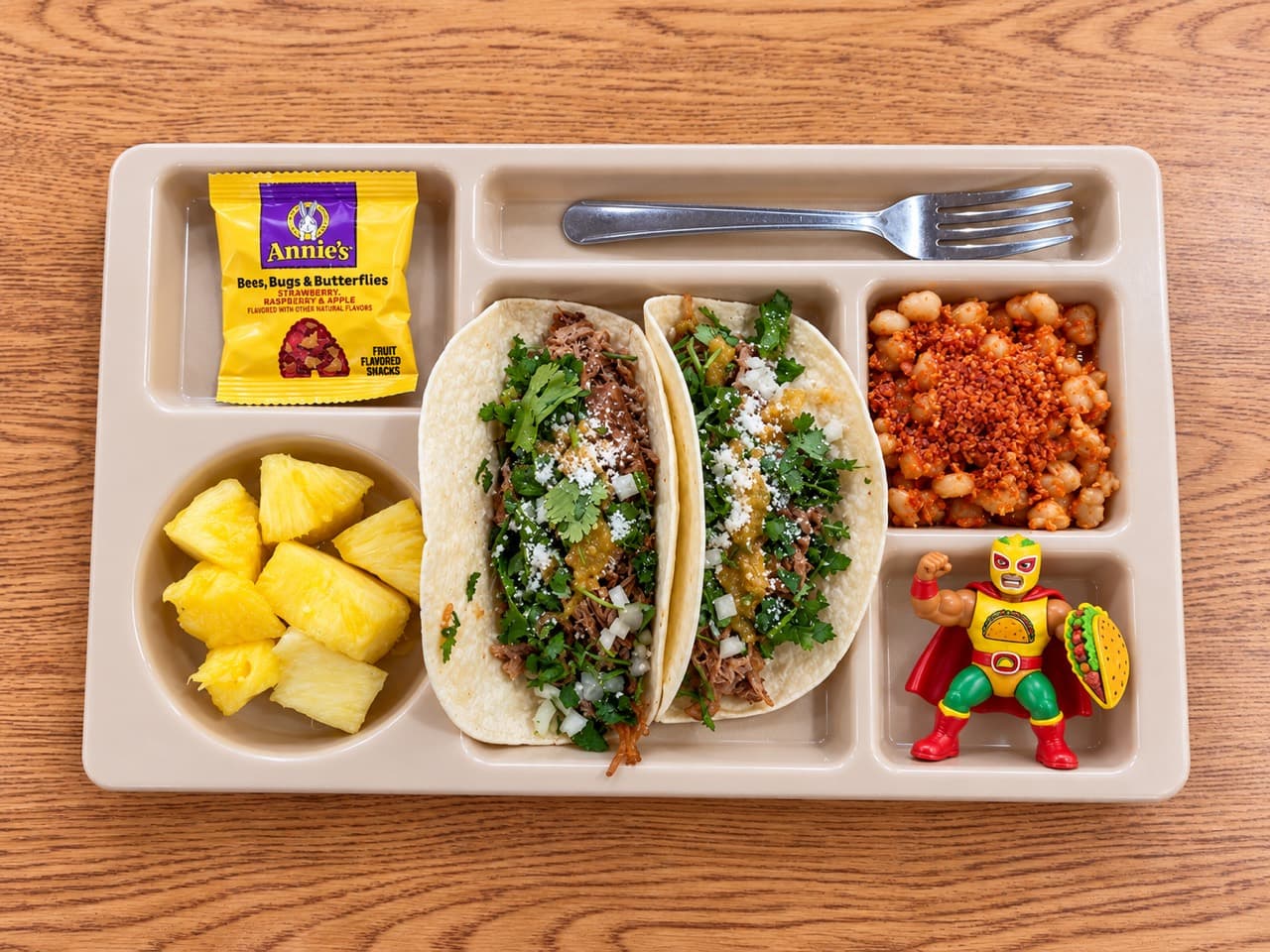
Low and slow on the stovetop
This time we cooked the carnitas on the stovetop instead of braising them in the oven. They turned out great. Keep the pot tightly covered and the heat low. When the pork falls apart with a fork, you're ready for the skillet.
Fresh orange, lime and a cinnamon stick bring a lot of flavor to a simple pot of pork. The orange shells go into the braise. The lime shells stay out.
Save both parts of the juices
Lift the pork into a large dish so you have room to pull it. Strain the cooking juices into a separate container. Once chilled, the fat lifts off the top. Save that for beans or my smoky hominy.
The jiggly juices underneath are worth keeping too. Slow cooking turns some of the pork's collagen into gelatin, which gives those juices body and contributes some protein. Fold a little back into the pork as you crisp it. The inside stays juicy while the edges brown. That's the bite you're after.
In the kitchen

Home recipe
Carnitas tacos
The Lunch Lady · Jared Veldheer
- Servings
- 6
- Prep time
- About 30 minutes
- Cook time
- About 4 to 5 1/2 hours, including crisping; tenderness decides
- Total time
- About 4 1/2 to 6 hours; optional overnight seasoning or chilling is extra
Equipment: Heavy 6-quart Dutch oven with a tight lid, foil, skillet, strainer and a large dish for shredding; pressure cooker and muffin tin only for the optional sides.
Ingredients
Check off ingredients as you go.
Pork and toppings
Pinto beans
Mexican corn cakes
Cilantro-lime slaw
Instructions
Pork and toppings
- Cut the pork into 3 to 4-inch chunks, leaving some fat attached. Mix the weighed salt and dry spices, then season every side. Cover and refrigerate overnight if you have time, or cook right away.
- Put the pork in a heavy Dutch oven with 1 cup water, the fresh orange and lime juice, the squeezed orange half, cinnamon and bay leaves. Discard the lime shell. No searing is needed.
- Bring to a gentle simmer over medium heat. Cover tightly with a lid; if needed, crimp foil over the pot rim beneath the lid, keeping it clear of the flame. Turn the heat low. Maintain a few lazy bubbles, not a rolling boil.
- Gently turn the pieces about every 45 minutes. Keep some liquid in the bottom, adding a little hot water if needed. Start checking tenderness after 3 hours of gentle simmering; allow roughly 3 to 4 1/2 hours at a simmer, plus time to heat the pot. A fork should twist easily in the largest pieces. If the meat resists, cover and keep cooking.
- Lift the pork into a casserole dish or wide pan. Strain the juices into a separate heatproof container, discarding the citrus, cinnamon and bay. Pull the pork into generous strands. For same-day cooking, skim the fat from the warm juices, or use a fat separator. Save both the fat and the juices.
- For the chilled separation I used, divide the strained juices into shallow containers and refrigerate promptly, without waiting for a large pot to cool on the counter. Refrigerate the pork separately with a little juice. Once cold, lift the solid fat off the gelatin-rich juices. Save some fat for beans or hominy and some for crisping the pork.
- Heat a thin film of reserved pork fat in a skillet over medium-high heat. Add a loose single layer of pork. Leave it alone for about 4 to 6 minutes until the underside browns, then turn and cook about 2 to 3 minutes more. Work in batches. For chilled pork, heat it through to 165°F.
- Fold a small spoonful of the reserved juices into each batch as it finishes. Let excess liquid cook off so the edges stay crisp. Taste a piece and finish with salt and fresh lime as needed. Serve in warm tortillas with cotija and crema.
Pinto beans
Makes about 6 cups.
- In a 6-quart pressure cooker on sauté, cook the onion and jalapeño in the oil for about five minutes. Add garlic and dry spices for 30 seconds.
- Add a cup of broth and scrape the base clean. Cancel sauté. Add the beans, remaining broth, water, bouillon and bay.
- Cook on high pressure for 48 minutes, then allow a full natural release. Check the beans before serving. Give them more time under pressure if they're still firm.
- Remove the bay. Mash about ½ cup of beans and stir back into the pot. Stir in butter and the vinegar or lime. Taste before adding salt.
- Let the liquid thicken briefly, then serve.
Mexican corn cakes
Makes about 20 muffin-size cakes; yield depends on the tin.
- Heat the oven to 350°F and grease the muffin tin. Roughly puree half the drained corn; leave the rest whole.
- Whisk the eggs, condensed milk and melted butter. Stir in the corn.
- Whisk flour, baking powder and salt together. Fold into the wet ingredients just until combined.
- Divide among the cups, leaving room for the cakes to rise. Begin checking around 22 minutes. The centers should be set and the tops should spring back. Continue baking if wet batter remains in the center.
- Let the cakes firm up in the tin before turning them out.
Cilantro-lime slaw
Toss the shredded cabbage and carrot with the dressing ingredients just before serving. Taste and adjust.
- Whisk the lime juice, oil, vinegar and salt in a large bowl. Add the cabbage, carrot and cilantro and toss thoroughly. Let stand for about 10 minutes, then taste and add a little more lime or salt if needed. Toss again before serving.
Recipe notes
- The stovetop version is the one we cooked this week. For an oven braise, use the same covered Dutch oven at 300°F and begin checking at 3 hours. Continue until fork-tender, adding water if needed, then strain and crisp as above.
- Strained juices can vary in saltiness. Add a small amount, taste, then add more. You want juicy pork, not a puddle in the skillet.
- The beans, corn cakes and slaw are optional sides from an earlier carnitas lunch. This week's plate used smoky hominy with chile-lime crunchies.
- Gelatin supplies amino acids, but the amount in homemade juices varies. Save it for flavor and texture; it is not a proven treatment for joints, skin or digestion. Harvard's collagen overview explains the evidence.